
The Complete Guide to Cajun and Creole Cooking
By Matt Price | Mr. Make It Happen | Owner, Fraiche Restaurant, Washington D.C.
Cajun and Creole cooking are two of the most misunderstood — and most underrated — cuisines in America. People think they are the same thing. They are not. People think it is all about making food spicy. It is not. And people think you need to be from Louisiana to cook it well. You do not.
What you need is an understanding of the foundations: the holy trinity of aromatics, the dark roux that takes patience to build, the layering of spices that creates depth rather than just heat, and the low-and-slow cooking that makes these dishes legendary. Once you have those fundamentals, Cajun and Creole cooking becomes one of the most rewarding cuisines you can cook.
I have been cooking and eating this food for years. My Cajun Seasoning is one of the best-selling products in the Mr. Make It Happen line. And many of the most popular recipes on this site and at Fraiche are rooted in Cajun and Creole technique. This guide is the complete resource.
Cajun vs. Creole: Understanding the Difference
Both cuisines originate in Louisiana, but they come from different cultural traditions and have distinct flavor profiles.
Cajun cooking is the rustic, countryside cuisine of the French Acadian settlers who were exiled from Nova Scotia and settled in rural Louisiana. It is hearty, earthy, and built around whatever was available — game, seafood, pork. Cajun cooking historically used no tomatoes. It is spicier, smokier, and more direct.
Creole cooking is the urban cuisine of New Orleans, influenced by French, Spanish, African, and Native American traditions. Creole cooking does use tomatoes. It tends to be more refined and complex. Think shrimp etouffee and red beans and rice.
In practice, the line between the two has blurred significantly. What most people call Cajun food today is actually a blend of both traditions. On this site, when I say Cajun I mean bold, layered, spice-forward Southern Louisiana cooking — whether it is technically Cajun or Creole in origin.
The Three Foundations
1. The Holy Trinity
In French cooking, the mirepoix is onion, celery, and carrot. In Louisiana cooking, carrots are replaced with green bell pepper. Onion, celery, and green bell pepper — that is the holy trinity. It is the aromatic base of almost every Cajun and Creole dish. Get this right and the rest of the dish builds on a solid foundation.
2. The Dark Roux
A roux is fat and flour cooked together. For Cajun and Creole cooking, you want a dark roux — cooked far past blonde, past peanut butter color, until it is the color of dark chocolate and smells nutty and complex. This takes 30 to 45 minutes of constant stirring over medium heat. It cannot be rushed. It can burn in seconds if neglected.
The dark roux is what gives gumbo its color and its depth. Nothing else replicates it. If you want to make authentic gumbo, you have to make a dark roux.
3. The Seasoning Blend
Cajun seasoning is not just cayenne. A proper Cajun blend includes smoked paprika, garlic powder, onion powder, dried oregano, dried thyme, black pepper, white pepper, and cayenne — balanced for depth, not just heat. My Mr. Make It Happen Cajun Seasoning is built on this exact profile. It is what I use across every Cajun recipe on this site.
The Full Cajun and Creole Recipe Collection
Soups and Stews
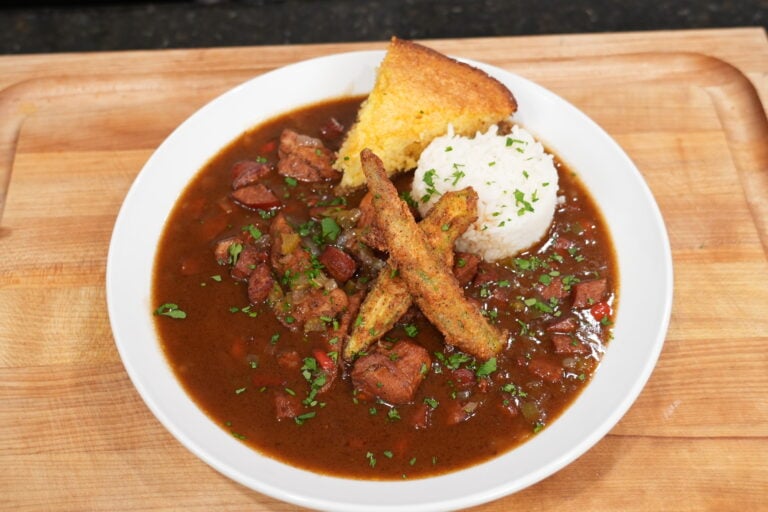
Chicken and Sausage Gumbo: The centerpiece of Cajun cooking. Dark roux, holy trinity, andouille sausage, chicken, and file powder. There is no shortcut for this one — the dark roux takes time and it is worth every minute.
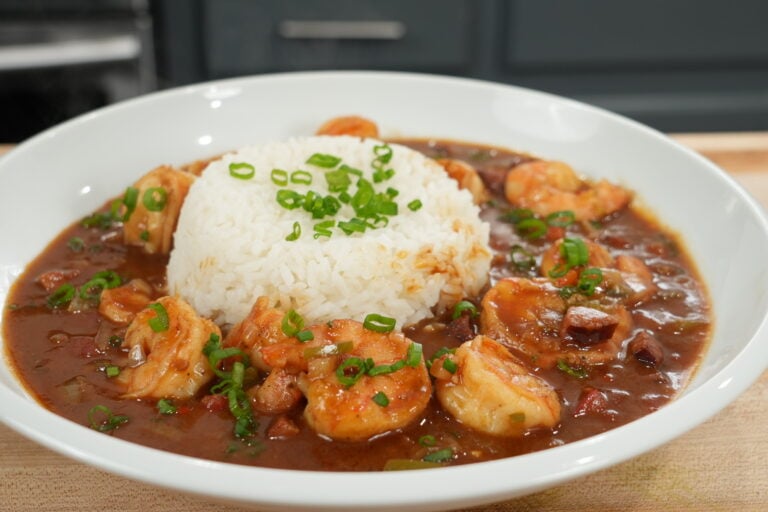
Shrimp Etouffee: Classic New Orleans etouffee with tender shrimp smothered in a rich, buttery Cajun gravy. Serve over white rice. This is Creole cooking at its finest.

Red Beans and Rice: The Monday meal in New Orleans. Slow-simmered red kidney beans with smoky andouille sausage and the holy trinity. Serve over long-grain white rice.
Pasta
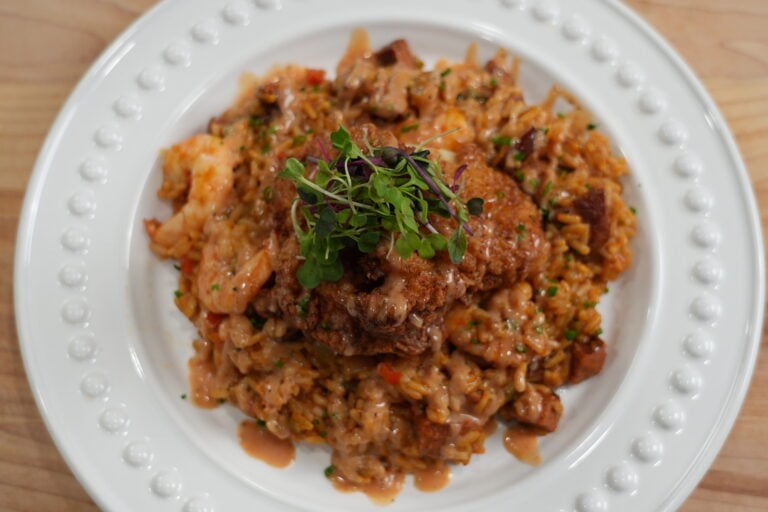
Jambalaya: One-pot New Orleans jambalaya with chicken, andouille sausage, and shrimp. Bold Cajun seasoning, long-grain rice, and the holy trinity. Big flavor, one pan.
Cajun Cream Pasta: Penne in a rich, spicy Cajun cream sauce with chicken or shrimp. This style of pasta is one of the most popular recipe categories on this site — and my Cajun seasoning is what makes it sing.
Protein

Blackened Salmon: A thick crust of Cajun spices seared in a screaming hot cast iron pan. The contrast between the dark, spiced crust and the tender, flaky center is one of the best things you can make in 15 minutes.
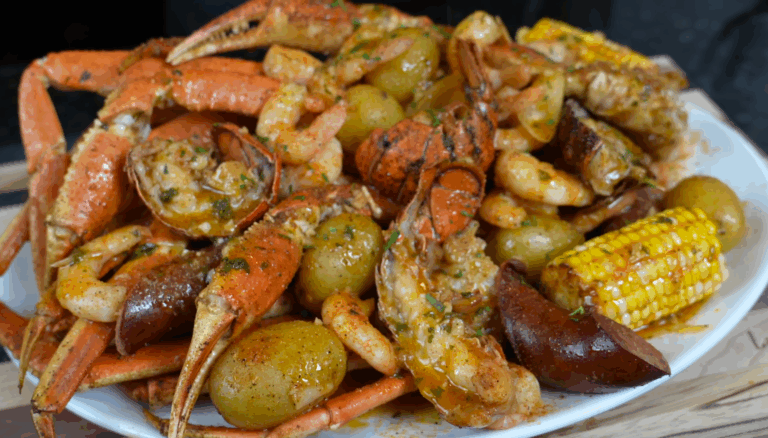
Seafood Boil: Shrimp, crab, corn, and sausage in a bold Cajun butter sauce. A full spread that feeds a crowd and feels like a party.
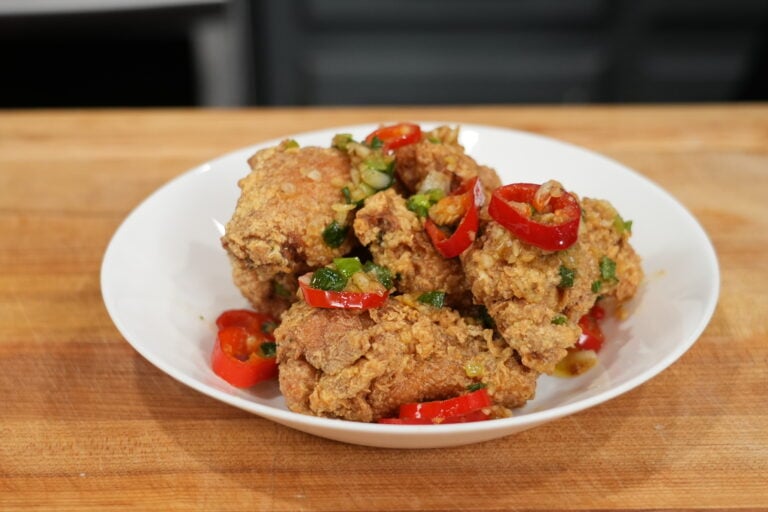
Salt and Pepper Wings: Crispy wings with a bold seasoning profile. The Cajun version uses my Cajun blend for a spicy, smoky finish.
Cajun Seasoning Breakdown
Here is the balance that makes a great Cajun blend — and what each ingredient contributes:
Smoked Paprika: The base. Adds color, mild sweetness, and deep smokiness without heat.
Garlic Powder and Onion Powder: The savory foundation. These deepen every other flavor in the blend.
Cayenne: The heat. Control this to control the spice level. Start conservative — you can always add more.
Black and White Pepper: Two different types of peppery heat. Black pepper is sharp and immediate. White pepper is more earthy and lingers.
Dried Oregano and Thyme: The herbal component that distinguishes Cajun seasoning from generic chili powder blends.
My Mr. Make It Happen Cajun Seasoning is pre-balanced with all of these in the right proportions. It is what every Cajun recipe on this site is built around.
Essential Tools for Cajun Cooking
As an Amazon Associate I earn from qualifying purchases.
- Mr. Make It Happen Cajun Seasoning — the exact blend I use in every Cajun recipe on this site
- Mr. Make It Happen AP Seasoning — my go-to all-purpose base for building layers of flavor
- Lodge 6 Quart Enameled Cast Iron Dutch Oven — essential for gumbo, étouffée, and jambalaya
- Lodge 12 Inch Cast Iron Skillet — perfect for building a dark roux and blackening fish
- OXO Good Grips 3-Piece Wooden Spoon Set — you need a good wooden spoon for stirring roux nonstop
- OXO 11-Inch Balloon Whisk — keeps your roux smooth and lump-free
Frequently Asked Questions
What is the difference between Cajun and Creole food? Cajun food is the rustic country cuisine of rural Louisiana — no tomatoes, spicier, smokier. Creole food is the urban New Orleans cuisine with French, Spanish, and African influences — uses tomatoes, more refined. Most recipes today blend both traditions.
What makes a good gumbo? A properly dark roux, the holy trinity (onion, celery, green pepper), quality andouille sausage, and adequate seasoning throughout the cooking process. The roux is the most critical element. It cannot be rushed.
What is the holy trinity in Cajun cooking? Onion, celery, and green bell pepper. It is the aromatic base of virtually every Cajun and Creole dish — the Louisiana equivalent of the French mirepoix.
What is Cajun seasoning made of? A balanced Cajun blend includes smoked paprika, garlic powder, onion powder, cayenne, black pepper, white pepper, dried oregano, and dried thyme. The balance between these ingredients determines whether the blend is complex and layered or just hot.
What are the most popular Cajun recipes? Gumbo, jambalaya, red beans and rice, shrimp etouffee, and blackened fish are the five pillars of Cajun cooking. All five are on this site.
Matt Price is a chef, restaurant owner, and food entrepreneur. He owns Fraiche Restaurant in Washington D.C. and leads Make It Happen Media, one of the fastest-growing food brands online with 4.3M+ followers. His Mr. Make It Happen Cajun Seasoning is available at mrmakeithappen.shop.