
This post contains affiliate links. Please see our disclosure policy.
Quick Summary
In This Recipe
- What Is Lo Mein?
- Why This Shrimp Lo Mein Recipe Works
- Ingredients You'll Need
- How to Make Shrimp Lo Mein
- The Secret to Restaurant-Style Wok Hei at Home
- Chef's Tips for the Best Lo Mein
- Substitutions and Variations
- What to Serve With Shrimp Lo Mein
- How to Store and Reheat Lo Mein
- Watch How to Make It
- Frequently Asked Questions
This shrimp lo mein beats takeout every time — one skillet, 30 minutes, and a bold soy and oyster sauce that clings to every single noodle. No wok needed.
Category: 30 Minute Meals, Dinner, Seafood Recipes | By: Matt Price, Mr. Make It Happen
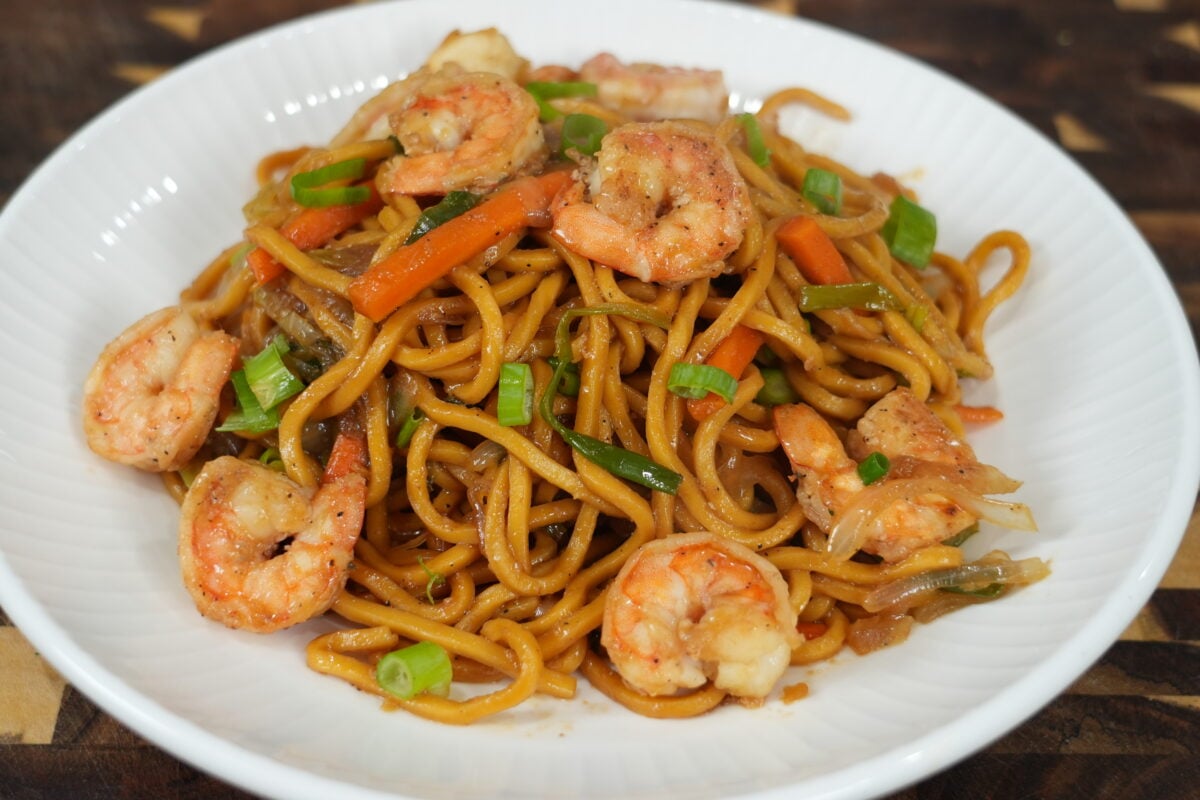
Shrimp lo mein is the dish I order when I want takeout to be great, and it's a coin flip every single time. Some nights the noodles come out perfect. Other nights they show up gummy, greasy, lukewarm, and $22 lighter in my wallet. I got tired of gambling, so I broke the dish down in my own kitchen the same way I break down a plate for a restaurant menu. Sear, build the sauce, toss, done.
Thirty minutes start to finish, roughly a third of what I'd pay for delivery, and it hits every time — because I control the heat and the salt instead of hoping the kitchen had a good night.
The secret isn't a wok you don't own. It's the sauce, and one ingredient almost nobody talks about.
What Is Lo Mein?
Lo mein is a Chinese-American noodle dish made by tossing boiled egg noodles in a soy-based sauce with vegetables and a protein. The name translates to "tossed noodles." Unlike chow mein, the noodles are never fried crisp — they stay soft and slippery, coated in sauce from the toss.
Why This Shrimp Lo Mein Recipe Works
- One pan does everything. The shrimp go in first, and the oil they leave behind seasons the vegetables. Nothing gets rinsed out or wasted.
- The sauce is built, not poured. Dark soy, oyster sauce, ginger, garlic, sesame, and a pinch of MSG do the work a restaurant range usually does.
- The shrimp never turn rubbery. They come out at 50–60% and finish in the sauce, which is the whole ballgame with shrimp.
- It's on the table in 30 minutes, which is why it lives in my rotation of 30-minute meals instead of my weekend project list.
- You already have most of it. Spaghetti and whatever vegetables are in the crisper will get you there.
Ingredients You'll Need
For the Shrimp
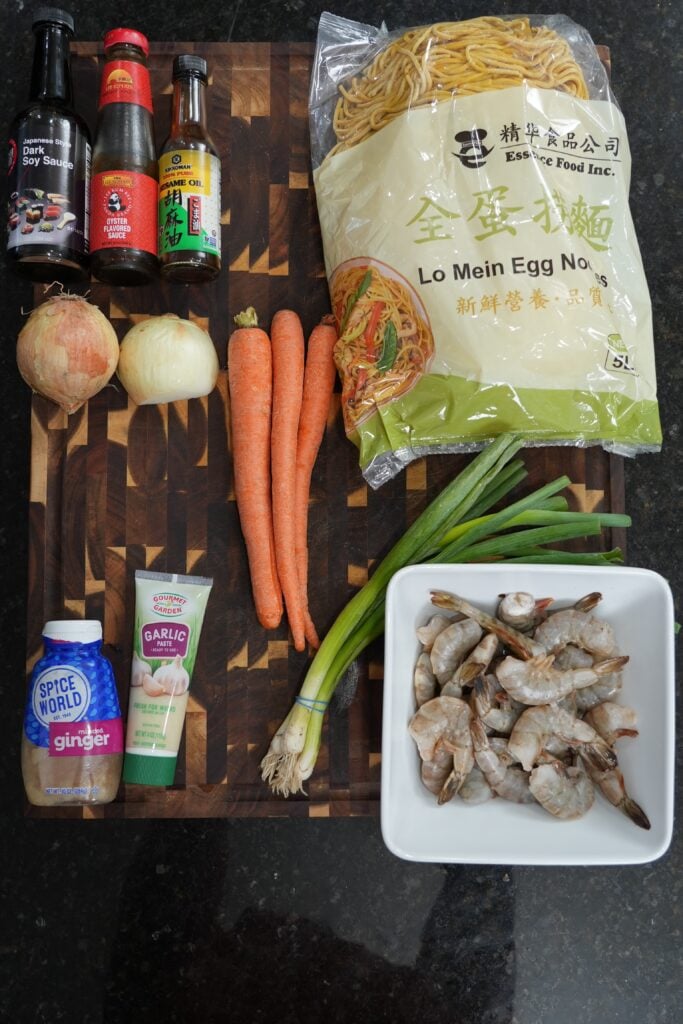
- 1 lb large shrimp, peeled and deveined
- Drizzle of olive oil
- Mr. Make It Happen AP Seasoning (or salt, black pepper, garlic powder, onion powder)
Why it matters: Large shrimp give you a window. Small ones overcook before you get any color on them.
For the Sauce
- ¼ cup dark soy sauce
- ¼ cup oyster sauce
- 1 tablespoon ginger paste
- 1 tablespoon garlic paste (fresh works too)
- ¼ teaspoon toasted sesame oil
- A few drops liquid smoke
- Pinch of MSG
- 1 teaspoon AP Seasoning
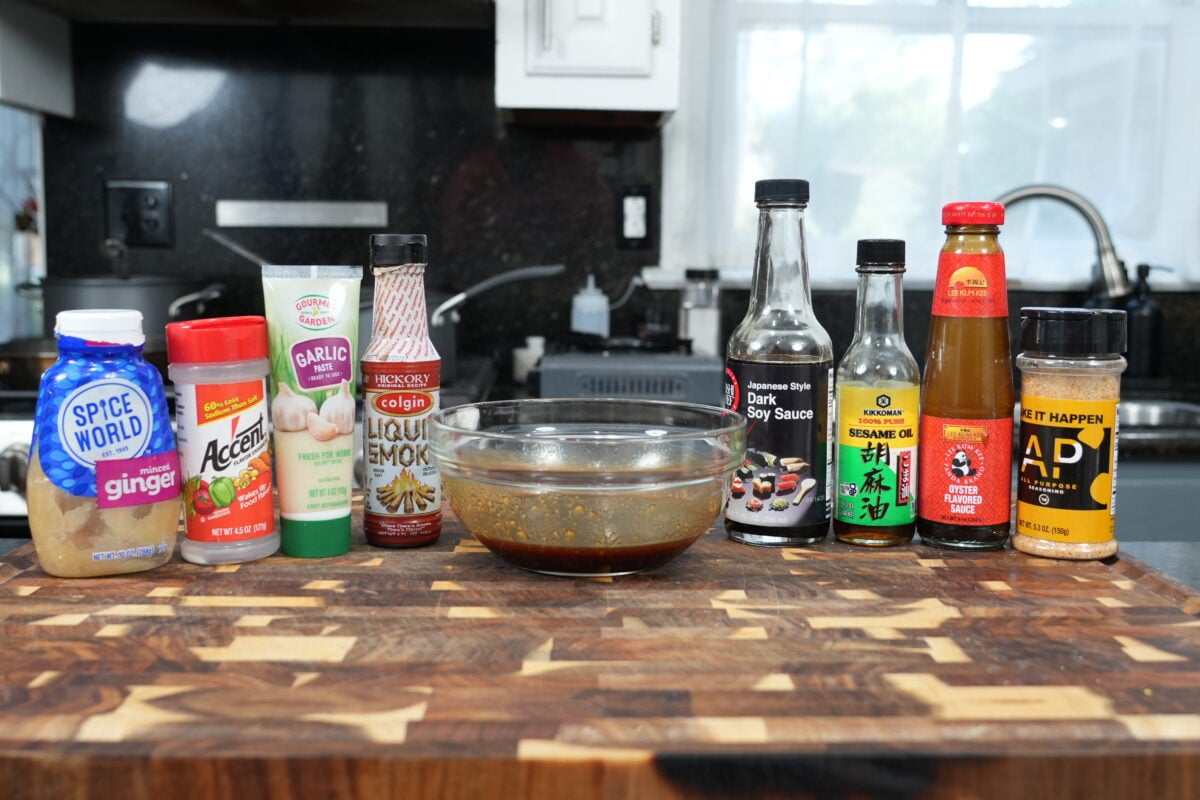
Why it matters: Dark soy sauce is thicker, sweeter, and less salty than the regular stuff, and it's what gives lo mein that deep brown color. Regular soy works fine — your noodles will just come out lighter. Oyster sauce is the body; it's what makes the sauce cling to a noodle instead of sliding off it.
For the Noodles and Veggies
- 1 lb fresh egg lo mein noodles
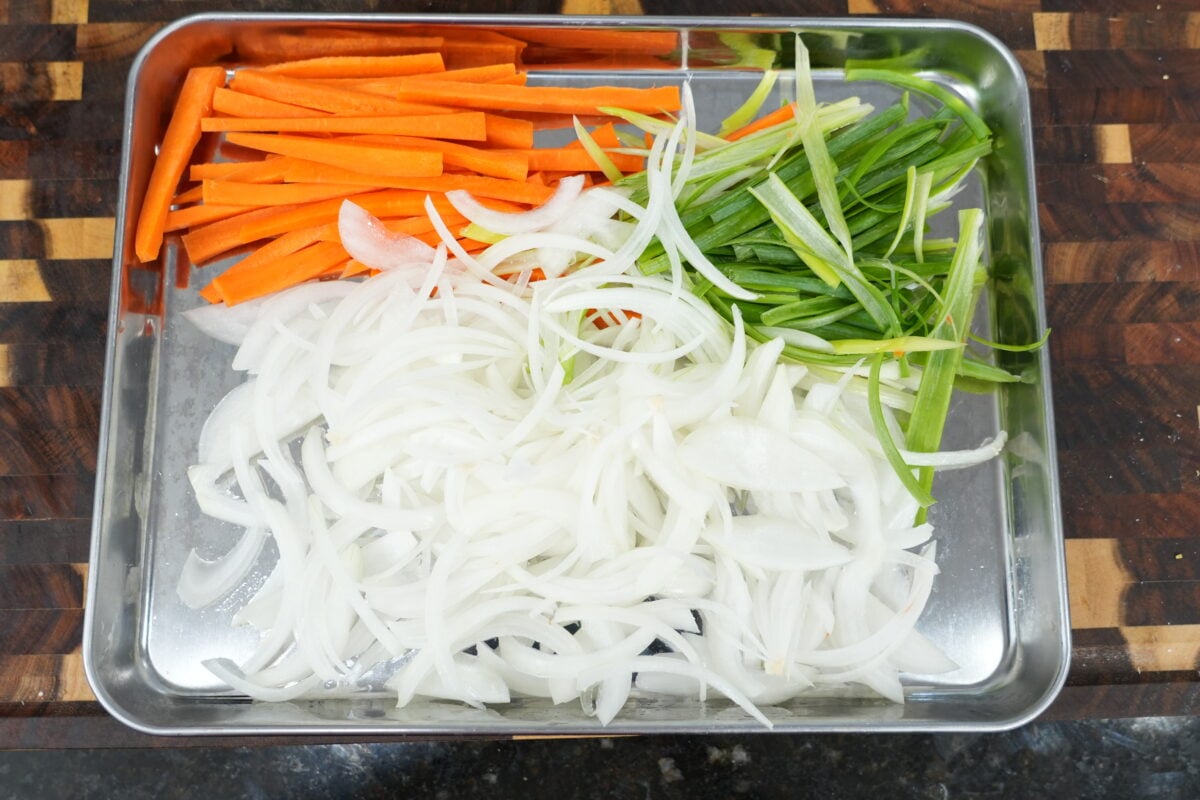
- 1 carrot, peeled and cut into matchsticks
- 1 small onion, julienned
- 1 bunch green onions, cut on the bias
- Optional: mushrooms, bell pepper, cabbage, snow peas
Why it matters: Fresh egg noodles from the refrigerated or freezer section of an Asian or international market cook in 2–3 minutes and have a chew dried pasta can't touch. Worth the drive. Spaghetti is a legitimate substitute and I use it at home constantly.
Why it matters: Cut everything roughly the same size. Same size means same cook time, and that's the difference between crisp-tender vegetables and a pan holding raw carrots next to mushy onions.
How to Make Shrimp Lo Mein
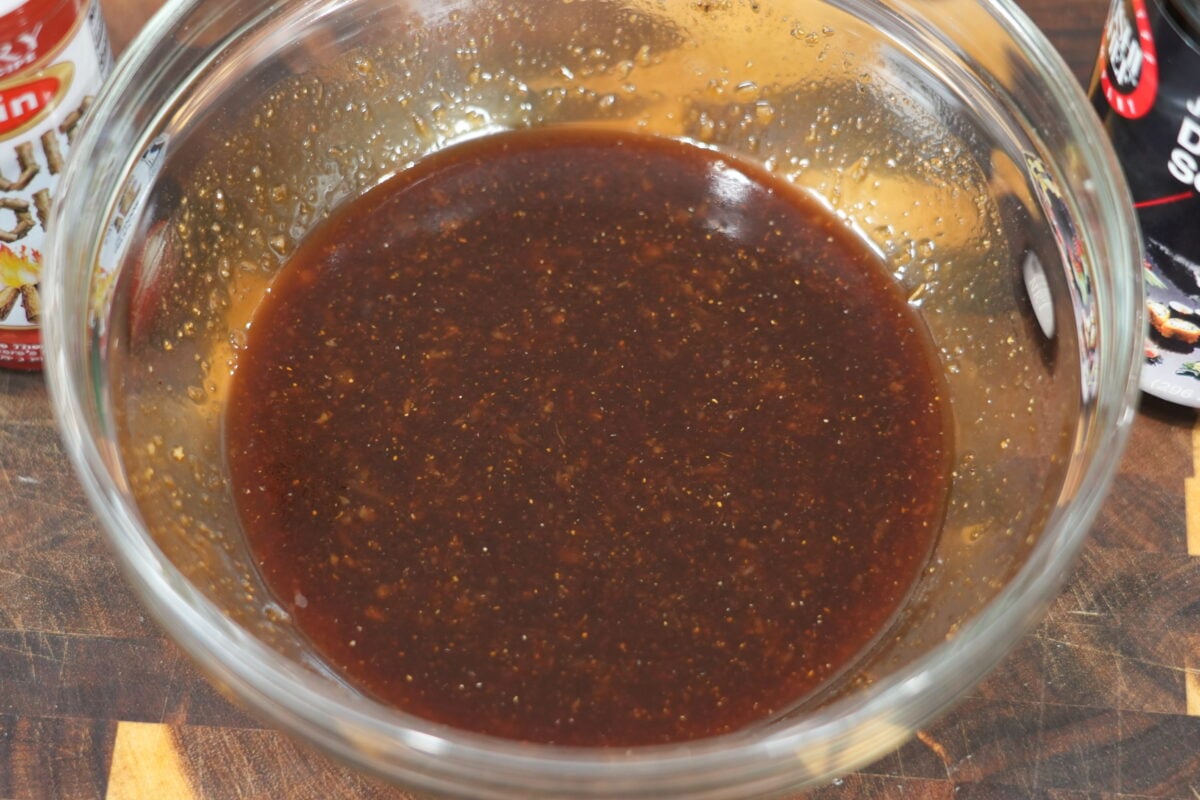
- Whisk the dark soy, oyster sauce, ginger paste, garlic paste, sesame oil, liquid smoke, MSG, and AP Seasoning together in a bowl. Set it aside where you can reach it fast.
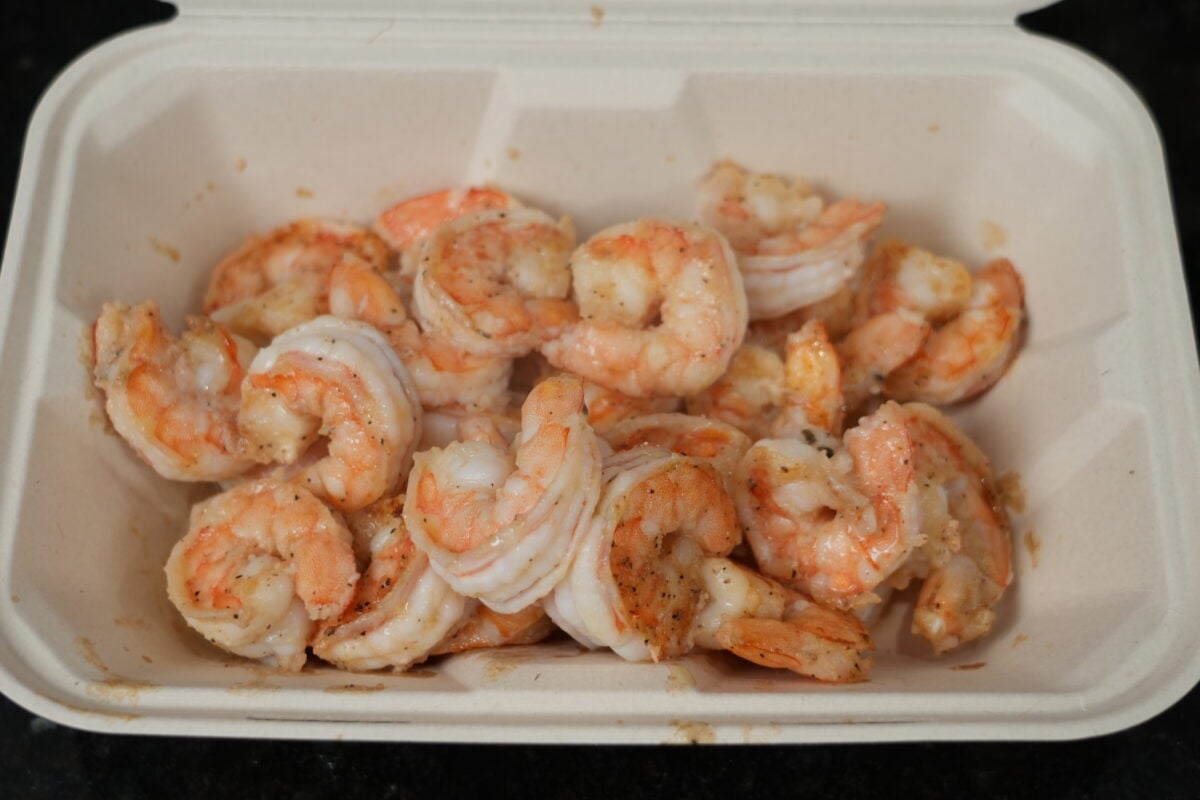
- Season the shrimp with a drizzle of olive oil and AP Seasoning. Toss to coat every one.
- Sear the shrimp in a large skillet or wok with olive oil over medium-high heat, about 1 minute per side. You want them 50–60% of the way there, not cooked through. Pull them out and reserve.
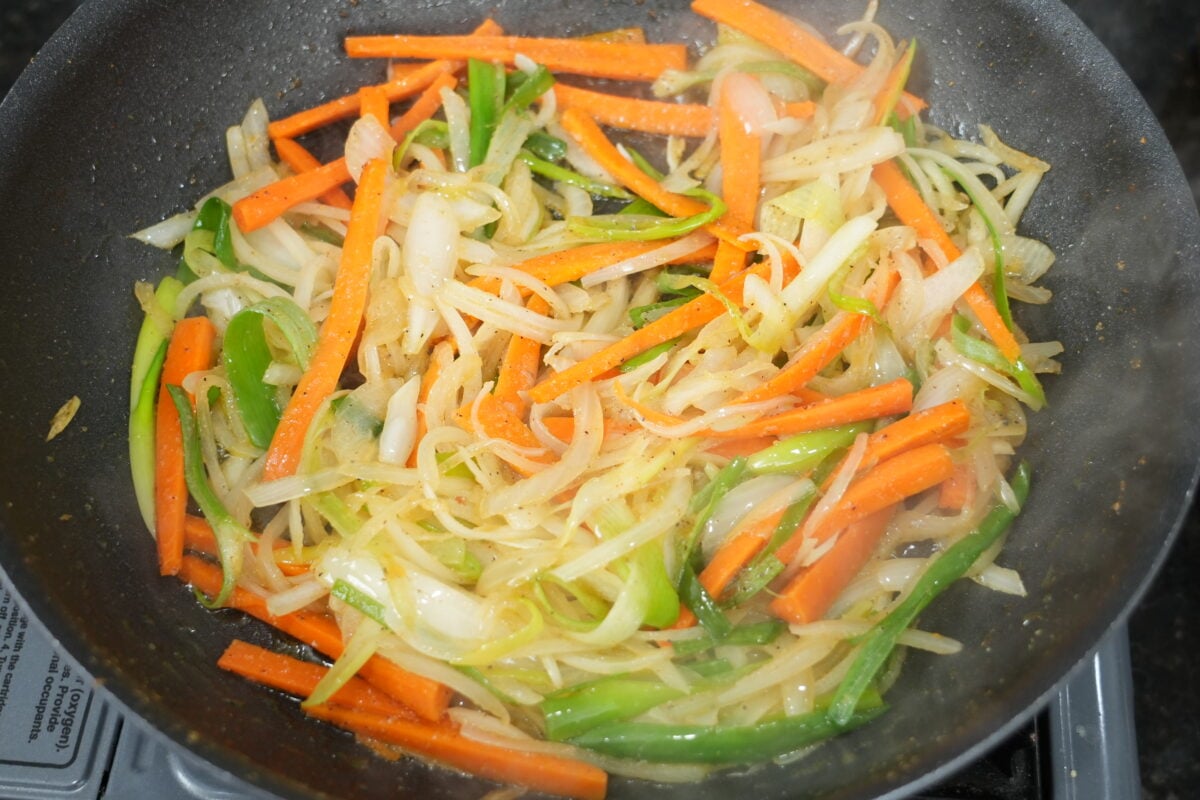
- Cook the carrots and onion in that same skillet with that same oil — all the shrimp flavor is still in there. Season lightly with salt and pepper. Go easy; the sauce brings plenty of salt. Toss occasionally and give them 8–10 minutes until tender, adding the green onion near the end.
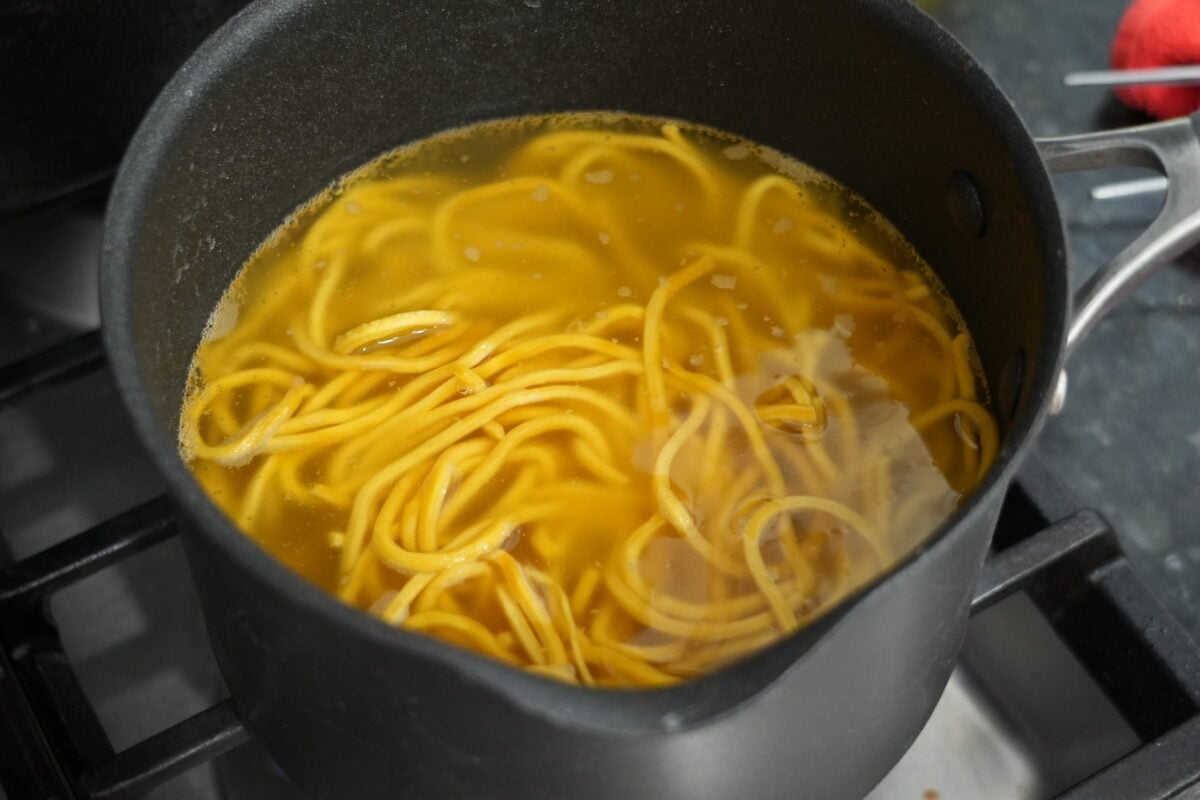
- Boil the noodles 2–3 minutes. Pull them straight from the water into the skillet with some of that starchy water still clinging to them. That water lifts the fond off the bottom of the pan and puts it back in the dish.
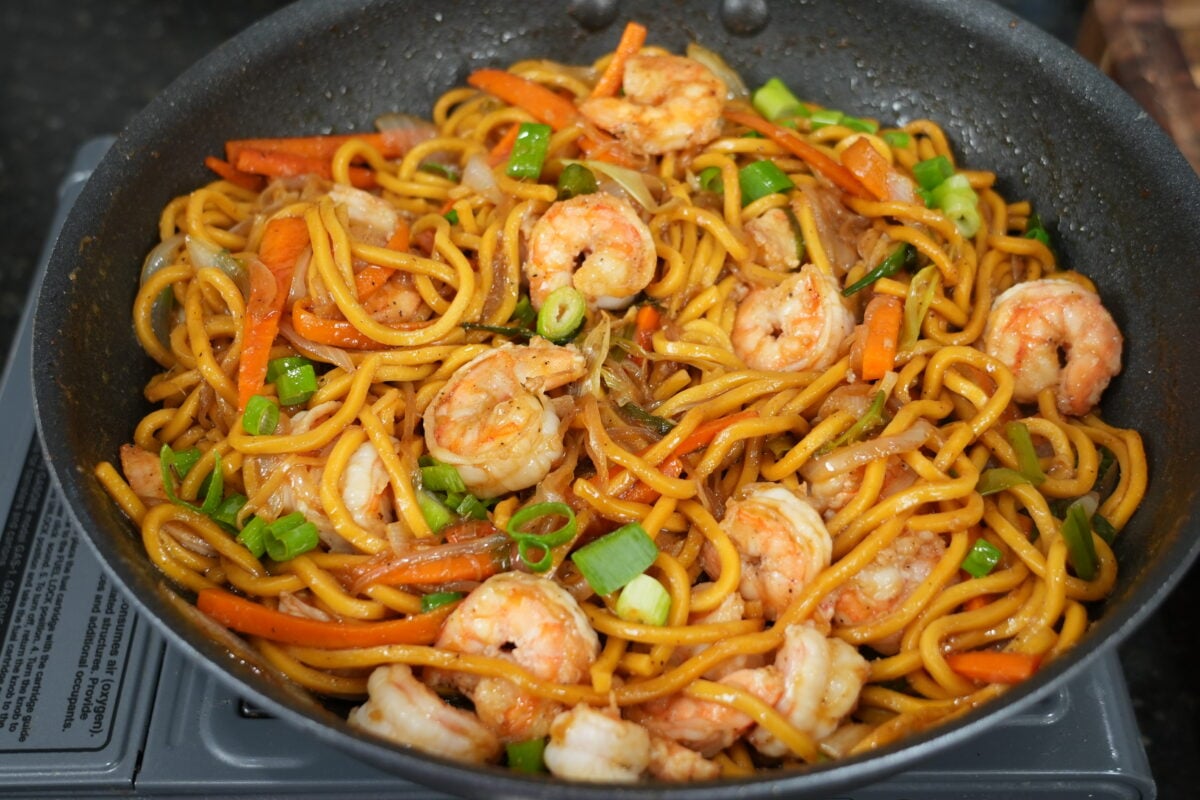
- Add the sauce and toss until every strand is coated. Keep it moving.
- Return the shrimp to the pan and toss 1–2 minutes to finish them through. Serve hot, straight out of the skillet.
The Secret to Restaurant-Style Wok Hei at Home
Here's the thing nobody tells you. The reason takeout lo mein tastes like takeout lo mein has almost nothing to do with the recipe.
A restaurant wok range runs many times the BTU of your home stove. That flame licks up over the lip of the wok and actually touches the food. Add a carbon steel wok seasoned by thousands of dishes and you get wok hei — literally "breath of the wok." It's a smoky, slightly charred note that lives in the oil itself.
You are not getting that out of a home burner. I won't lie to you about it.
What you can do is cheat the flavor. A few drops of liquid smoke in the sauce gets you most of the way there — a lot further than most home versions ever get. Use a light hand. Too much and your noodles taste like a campfire instead of a wok.
The other half is heat management. Get the pan hot before anything touches it, and don't crowd it. A crowded pan steams. A hot, roomy pan sears.
Chef's Tips for the Best Lo Mein
Don't over-season the vegetables. Between the dark soy, the oyster sauce, and the AP Seasoning already in the sauce, you have plenty of salt coming. A light pinch on the vegetables is all they need.
Pull the shrimp early. Shrimp carry over. If they look done coming out of the pan, they'll be tough by the time they hit the plate. Same rule I use for my shrimp scampi pasta: half-cooked out, fully cooked in the sauce.
Use the noodle water. Don't drain into a colander and shake them dry. Tongs straight from the pot to the pan. That starch is what makes the sauce cling.
Get your mise en place done first. Once the pan is hot this dish moves fast. No time to chop an onion while shrimp are searing. Same discipline I run on the line.
Taste before you serve. Sauce brands vary wildly in salt. Taste a noodle before it leaves the pan.
Substitutions and Variations
No fresh noodles? Spaghetti. I mean it. Cook it just shy of al dente and use it exactly the same way.
No oyster sauce? Hoisin will get you a sweeter, thicker version. It's different, but it's good.
Swap the protein. Chicken thigh, sliced steak, or tofu all work with the same sauce. If you like the steak direction, my steak fried rice uses a similar backbone.
Load up on vegetables. Mushrooms, bell pepper, cabbage, snow peas, bean sprouts. Use what's in the fridge and cut it all the same size.
Want a different noodle night? My chicken pad thai runs on the same 30-minute clock with a completely different flavor profile.
What to Serve With Shrimp Lo Mein
This is a full plate on its own. But if I'm feeding a crowd, I put out egg rolls or crab rangoon to start and let the noodles be the centerpiece.
Want a second protein on the table? Fried rice is the classic move and it uses the same pan discipline. For a lighter table, a cucumber salad with rice vinegar cuts right through the richness of the sauce.
How to Store and Reheat Lo Mein
Leftover shrimp lo mein keeps in an airtight container in the fridge up to 3 days. The noodles absorb sauce overnight and tighten up. That's normal.
Reheat in a skillet over medium with a splash of water — a tablespoon or two is plenty. Toss until it loosens and the shrimp are warmed through. The microwave works in a pinch, but it keeps cooking your shrimp, so go in short bursts.
I don't recommend freezing this one. Cooked shrimp and cooked noodles both come back with a texture you won't love.
Watch How to Make It
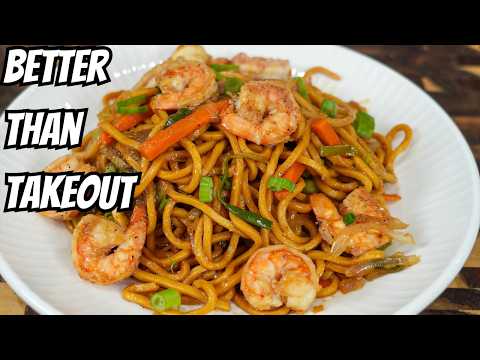
I walk through the whole thing in the video below, including exactly how the noodles should look when they come out of the water.
Frequently Asked Questions
Can I use spaghetti instead of lo mein noodles?
Yes, and I do it all the time. Cook it just shy of al dente and pull it into the pan with some pasta water clinging to it. The chew is a little different from fresh egg noodles, but the dish works.
Where do I buy fresh lo mein noodles?
Check the refrigerated or freezer section of an Asian or international market. They're usually labeled "lo mein" or "egg noodles" and cook in 2–3 minutes. Bigger grocery chains sometimes carry them near the tofu and produce.
Can I make this ahead of time?
Prep ahead, yes. Whisk the sauce, cut the vegetables, and peel the shrimp up to a day early. The cooking takes 15 minutes and doesn't hold well, so do the toss right before you eat.
How do I know when the shrimp are done?
Cooked shrimp curl into a loose C and turn opaque with a little pink. A tight O means overcooked. Since these finish in the sauce, pull them from the sear while they're still translucent in the middle.
What's the difference between lo mein and chow mein?
Lo mein noodles are boiled and tossed with sauce. Chow mein noodles are fried, so they come out crisp or partly crisp. Often the same noodle, completely different texture.
If you make this shrimp lo mein, tag me so I can see it. Subscribe on YouTube for the full video versions of everything I post here.
And settle something for me in the comments: what's your go-to Chinese takeout order?
Love this recipe? You'll love my seasonings even more!
Level up your cooking with my signature AP Seasoning, Cajun Seasoning, and more.
Shop My SeasoningsMake It Happen in Your Kitchen
Level up every recipe with my signature seasonings, cookware & bundles.
Shrimp Lo Mein
Ingredients
For the Shrimp
- 1 lb large shrimp peeled and deveined
- Olive oil for seasoning the shrimp and the pan
- Mr. Make It Happen AP Seasoning to taste; or salt, black pepper, garlic powder, onion powder
For the Sauce
- ¼ cup dark soy sauce
- ¼ cup oyster sauce
- 1 tablespoon ginger paste
- 1 tablespoon garlic paste fresh garlic works too
- ¼ teaspoon toasted sesame oil
- Liquid smoke a few drops
- MSG a pinch
- 1 teaspoon Mr. Make It Happen AP Seasoning
For the Noodles & Vegetables
- 1 lb fresh egg lo mein noodles or spaghetti
- 1 carrot peeled and cut into matchsticks
- 1 small onion julienned
- 1 bunch green onions cut on the bias
- Olive oil for the pan
- Salt and black pepper to taste; go light
Instructions
- Whisk together the dark soy sauce, oyster sauce, ginger paste, garlic paste, toasted sesame oil, liquid smoke, MSG, and 1 teaspoon AP Seasoning. Set aside.
- Season the shrimp with a drizzle of olive oil and AP Seasoning, tossing to coat.
- Heat a large skillet or wok with olive oil over medium-high heat. Sear the shrimp about 1 minute per side, until 50-60% cooked through. Remove and reserve.
- In the same skillet with the same oil, add the carrots and onion. Season lightly with salt and pepper — go easy, the sauce brings plenty of salt. Cook 8-10 minutes until tender, tossing occasionally. Add the green onion near the end.
- Boil the noodles 2-3 minutes. Pull them straight from the water into the skillet with some starchy water still clinging to them.
- Add the sauce and toss until every strand is coated.
- Return the shrimp to the pan and toss 1-2 minutes to finish cooking through. Serve hot.
Video