

This post contains affiliate links. Please see our disclosure policy.
Quick Summary
In This Recipe
- Quick Look: Best Prime Rib Recipe
- What You Need for the Best Prime Rib
- Why This Method Works
- Dry Brine the Roast
- Trim the Roast (what to do with the trimmings?)
- Remove & Tie the Bones Back
- Dry-Brining Salt Ratio
- Why This Matters
- Final Seasoning
- Low & Slow Roast
- Cook Time
- Herb Butter Sauce
- Carving
- Serving Suggestions
- Pro Tips
- Final Thoughts
If you’re looking to serve a show-stopping centerpiece that delivers steakhouse flavor without needing a smoker or grill, this low-and-slow oven-roasted prime rib is the answer. This method gives you edge-to-edge rosy pink beef, incredible...
Category: Christmas, Comfort Food Classics, Holiday | By: Matt Price, Mr. Make It Happen

If you’re looking to serve a show-stopping centerpiece that delivers steakhouse flavor without needing a smoker or grill, this low-and-slow oven-roasted prime rib is the answer. This method gives you edge-to-edge rosy pink beef, incredible tenderness, and a deep, beefy crust — finished with a rich, aromatic butter sauce that takes it completely over the top. If you’re craving even more hearty, satisfying dishes, be sure to check out some of my favorite comfort food recipes. Try the Hot Honey Fried Chicken Sliders, The Creamiest Lasagna Soup, Mississippi Pot Roast, Chili Cornbread Casserole, or Spaghetti & Meatballs for more classics everyone will love.
This is exactly how I cook prime rib for holidays, special dinners, and content shoots when I want foolproof results.
Quick Look: Best Prime Rib Recipe
- ⏱ Prep Time: 20 minutes
- 🔥 Cook Time: 20 minutes per pound
- ⏳ Total Time: Varies by roast size
- 🍽️ Serving: 8-12
- ⚡ Calories: 634 kcal
- 🍂 Flavor Profile: Juicy, tender, and savory with subtle herbs.
- 👌 Difficulty: Easy, foolproof method with restaurant-quality results.
Table of Contents
- Quick Look: Best Prime Rib Recipe
- What You Need for the Best Prime Rib
- Why This Method Works
- Dry Brine the Roast
- Trim the Roast (what to do with the trimmings?)
- Remove & Tie the Bones Back
- Dry-Brining Salt Ratio
- Why This Matters
- Final Seasoning
- Low & Slow Roast
- Cook Time
- Herb Butter Sauce
- Carving
- Serving Suggestions
- Pro Tips
- Final Thoughts
- Best Prime Rib Recipe
What You Need for the Best Prime Rib
Bone-In Prime Rib Roast: The star of the dish, providing rich beefy flavor and a tender, buttery texture when roasted low and slow.
Kosher Salt: Essential for dry brining, deep seasoning, and improved juiciness throughout the roast.
Fresh Cracked Black Pepper: Adds bold aroma and enhances the crust’s savory depth.
Steak Rub or All-Purpose Seasoning: Builds flavor on the exterior for a steakhouse-quality crust.
Garlic Cloves: Lightly crushed to infuse the roast with subtle aromatic richness.
Fresh Rosemary: Adds earthy, piney fragrance that complements the beef beautifully.
Fresh Thyme: Brings bright herbal notes that balance the richness of the roast.
Butcher’s Twine: Keeps the bones secured to the meat for even cooking and effortless carving.
Unsalted Butter: Forms the base of the herb butter sauce, adding richness and shine.
Garlic: Finely minced for a fragrant, savory backbone to the sauce.
Rosemary: Chopped and whisked into the butter for fresh herbal flavor.
Thyme: Adds delicate aromatic depth to the sauce.
Worcestershire Sauce: Provides umami, tang, and complexity to balance the butter.
Black Pepper: Finishes the sauce with gentle heat and aromatic warmth.
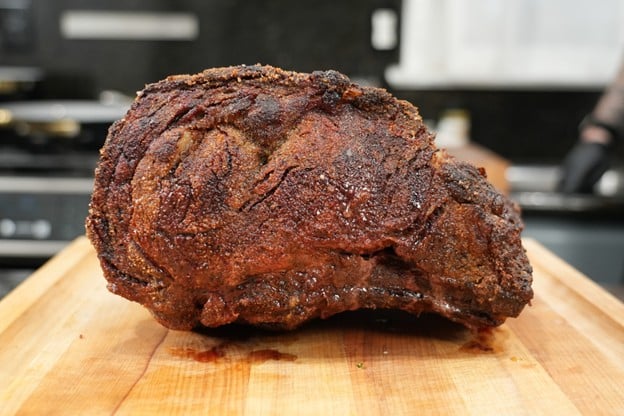
Why This Method Works
Most people overcomplicate prime rib — blasting it with high heat for most of the cook or skipping crucial prep like dry brining. This recipe flips that. (I am guilty of over complicating Prime Rib myself… after making it this way, I don’t think I will ever change the technique again). For a full holiday spread, try pairing this prime rib with other festive favorites like Holiday Turkey, Deep Fried Smothered Turkey Wings, Braised Short Ribs, or Oven-Baked BBQ Ribs for a crowd-pleasing lineup of comfort classics.
Here’s what makes it elite:
- Dry brining fully seasons the beef and improves juiciness.
- Removing then tying back the bones acts like a natural roasting rack and protects the meat.
- Low & slow roasting ensures even doneness edge-to-edge instead of the dreaded gray ring.
- A high-heat finish locks in a crust.
- Herb butter sauce adds richness, shine, and restaurant-level finishing flavor.

Dry Brine the Roast
Pat the meat dry and coat generously with kosher salt on all sides. Set the roast uncovered on a rack in the fridge for:
- 24 hours minimum
- Up to 48 hours if time allows
This seasons the meat internally and helps retain moisture during cooking.

Trim the Roast (what to do with the trimmings?)
Before seasoning, take a few minutes to shape your roast:
- Trim away any hard surface fat or loose silver skin
- Leave ¼–½ inch of the fat cap intact — this renders beautifully and self-bastes the meat
- Square up the edges if needed for even cooking
You're not trying to make it lean — just clean it up so heat flows evenly across the entire roast.
Proper trimming prevents chewy exterior fat and uneven cooking.

Remove & Tie the Bones Back
This technique is clutch.
- Cut the rack of bones cleanly off the roast — keeping them as a single slab.
- Season the bones - and the meat side heavily
- Tie the bones back into position using butcher’s twine every 1½–2 inches or on each bone.

Why do this?
- Makes carving easier later.
- Elevates the roast without needing a rack.
- Creates amazing rendered drippings.

Dry-Brining Salt Ratio
For dry brining large cuts like prime rib:
Use:
½ teaspoon kosher salt per pound of beef and up 1 teaspoon per lb for folks that like a little more seasoning.
Examples:
- 7 lb roast → 3½ teaspoon salt
- 9 lb roast → 4½ teaspoon salt
- 10 lb roast → 5 teaspoon salt (~1⅔ tbsp)
This assumes Diamond Crystal kosher salt (lighter, flakier). If using Morton kosher salt (denser), reduce by about 25–30%: Morton ratio:
⅓ teaspoon per pound
Why This Matters
Dry brining is not just seasoning — it chemically changes how your meat cooks.

Salt Penetrates Deep Into the Meat
Salt doesn’t just sit on the surface — it dissolves into moisture, gets drawn inside the muscle fibers, and seasons the entire roast from edge to center instead of just the crust.
Without this:
• Center tastes bland
• Crust tastes salty
• Meat needs sauces to compensate
It Improves Juiciness
Salt rearranges proteins so they hold onto more water during cooking.
Result:
• Less moisture loss
• Juicier slices
• Tender texture
Many people think salt “dries meat out.” Opposite is true — used correctly, it locks moisture in.
It Builds Better Crust
During dry brine:
• Moisture is drawn to the surface and evaporates in the fridge.
• The exterior becomes tacky and dry.
This is perfect for roasting because:
• Seasoning sticks better
• Browning improves
• Crust gets darker and crispier
It Prevents Surface Over-Salting
Using a measured salt ratio prevents:
• Oversalting the exterior
• Underseasoned interior
Instead, you get balanced seasoning throughout the entire roast, which is the exact difference between “home cooked” and “steakhouse level.”

Final Seasoning
After brining:
- Apply steak, BBQ or AP seasoning
- Add heavy fresh cracked pepper (optional)
Let the roast sit at room temp 45–60 minutes before cooking.

Low & Slow Roast
Oven Prep
- Preheat oven to 275°F
- Place roast bone-side down in a rack inside a roasting pan
Keep the pan DRY! Keeping the roasting pan dry prevents steaming and allows proper browning, fat rendering, and crust formation.
Why You DO NOT Add Liquid to the Pan
When you add stock, water, beer, wine, vegetables, etc., into the bottom of the roasting pan, you change the cooking environment from roasting to steaming.
Roasting vs Steaming:
Keeping the roasting pan completely dry is essential because adding liquid creates steam instead of true roasting heat. Steam prevents proper browning, softens the exterior, and interferes with fat rendering, resulting in a pale crust and uneven doneness with a gray overcooked ring. A dry pan allows hot circulating air to evaporate surface moisture, trigger the Maillard reaction for a deep steakhouse crust, and render clean beef fat for natural basting and better pan drippings. In short: liquid turns roasting into steaming — and steaming ruins prime rib.

Cook Time
- Roast until internal temp reaches:
- 118–120°F for Medium-Rare
- 122–125°F for Medium
- 130+ for Medium Well
Rough timing:
20 minutes per pound
Resting Step
Remove the roast and loosely tent with foil. Let it rest 30–45 minutes.
Carryover heat will raise internal temperature another 5–8°F — locking in perfect doneness.
Optional Step if the crust does not fully develop during the roasting phase -
High-Heat Crust Finish
After resting:
- Increase oven to 500°F
- Roast 10–12 minutes
This builds your crust without affecting the interior.

Herb Butter Sauce
Melt butter over medium-low heat, then add minced garlic and cook gently for 30 seconds until fragrant (do not brown). Whisk in Worcestershire, rosemary, thyme, and black pepper until the butter fully emulsifies into a smooth, unified sauce — meaning the fat binds with the liquid so it stays glossy and balanced instead of separating. Keep warm over low heat and do not boil, or the emulsion can break.
Carving
- Remove butcher’s twine.
- Lift off bone rack — slice bones individually (chef samples mandatory).
- Carve thick 1-inch slices across the grain.
Serving Suggestions
Pair prime rib with:
- Homemade Mashed Potatoes
- Creamy Homemade Mac and Cheese
- Southern Collard Greens Recipe
- Green Bean Casserole Recipe Easy
- Seafood Dressing Recipe
Pro Tips
- Trim before brining for even seasoning
- Dry brining is non-negotiable for deep flavor
- .Tie bones back for better cooking & carving
- Always rest the roast fully
Use a thermometer — guessing ruins prime rib
Final Thoughts
This method gives you the ultimate prime rib:
- Perfect internal color
- Deep seasoned bark
- Juicy texture
- Restaurant-level presentation
It’s foolproof, repeatable, and every bit as impressive as the top steakhouse prime rib joints — except you pulled it off in your own kitchen.
If you tried this Prime Rib or any other recipe on my blog, please leave a star rating and let me know how it went in the comments below. Thanks for visiting!
Love this recipe? You'll love my seasonings even more!
Level up your cooking with my signature AP Seasoning, Cajun Seasoning, and more.
Shop My SeasoningsMake It Happen in Your Kitchen
Level up every recipe with my signature seasonings, cookware & bundles.

Best Prime Rib
Ingredients
- 1 bone-in prime rib roast 3 to 4 bones / 7–10 lbs
- Kosher salt about 1½ tablespoon per 5 lbs of meat
- Fresh cracked black pepper
- Your favorite steak rub or all-purpose seasoning Make It Happen BBQ / AP Seasons combo recommended
- Garlic cloves lightly crushed
- Fresh rosemary sprigs
- Fresh thyme sprigs
- Butcher’s twine
- 6 tablespoon unsalted butter Kerrygold preferred
- 3 cloves garlic finely minced
- 1 teaspoon chopped rosemary
- 1 teaspoon chopped thyme
- 1 tablespoon Worcestershire sauce
- ¼ teaspoon black pepper
Instructions
- Dry brine the roast by patting the meat dry and coating it generously with kosher salt on all sides. Place it uncovered on a rack in the refrigerator for 24 to 48 hours to season the meat internally and improve juiciness.
- Trim the roast by removing any hard surface fat or loose silver skin while keeping ¼–½ inch of the fat cap intact. Square the edges if needed so the roast cooks evenly.
- Remove the bones by cutting them off in one clean slab, then season both the bones and the meat side heavily. Tie the bones back into place with butcher’s twine every 1½–2 inches to act as a natural roasting rack and make carving easier later.
- After brining, apply your steak rub, BBQ seasoning, or all-purpose seasoning, and add fresh cracked black pepper if you like. Let the roast sit at room temperature for 45 to 60 minutes before cooking.
- Preheat your oven to 275°F. Place the roast bone-side down on a rack in a dry roasting pan. Do not add liquid to the pan—keeping it dry ensures browning, fat rendering, and a proper crust. Roast until the internal temperature reaches your desired doneness: 118–120°F for medium-rare, 122–125°F for medium, or 130°F+ for medium-well. Expect about 20 minutes per pound.
- Remove the roast from the oven, loosely tent it with foil, and let it rest for 30 to 45 minutes. Carryover heat will raise the internal temperature by 5–8°F.
- If the crust needs more color, increase the oven temperature to 500°F and roast for 10 to 12 minutes to finish building the crust without overcooking the interior.
- Make the herb butter sauce by melting the butter over medium-low heat, then adding minced garlic and cooking for 30 seconds without browning. Whisk in Worcestershire sauce, rosemary, thyme, and black pepper until the butter emulsifies into a glossy sauce. Keep warm on low heat without boiling.
- For carving, remove the butcher’s twine, lift off the bone rack, and slice the bones individually. Carve the roast into thick 1-inch slices across the grain and serve.
Notes
This seasons the roast all the way through, improves juiciness, and creates a better crust. • Keep the roasting pan completely dry
Adding liquid causes steaming, which prevents browning and weakens the crust. • Rest the roast for 30–45 minutes before carving
Resting allows juices to redistribute so the slices stay tender and moist.
Common Mistakes to Avoid • Skipping the dry brine
This leads to an under-seasoned interior and less moisture retention. • Using high heat for the whole cook
This creates a thick gray ring and uneven doneness—low and slow is key. • Cutting into the roast too soon
Slicing early causes juices to spill out, leaving the meat dry.
Nutrition
Never miss a recipe! Follow Mr. Make It Happen on Google News
Follow on Google News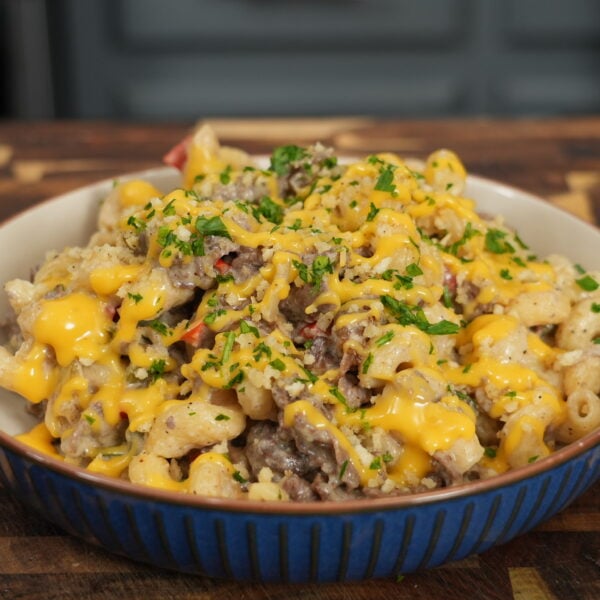

This is the best prime rib I've ever had
Made this for a Holiday Party and got SOOOO many compliments! Thank you!
Im making this for Christmas!